If you want more space, a slower pace, and a home base that still keeps Central Virginia and the DC corridor within reach, Orange County may be worth a closer look. Many buyers are drawn to places that feel grounded and scenic, but they also need practical answers about housing, commute options, and daily life. This guide will help you understand what living in Orange County, VA really looks like, so you can decide whether its mix of country comforts and regional access fits your goals. Let’s dive in.
What Orange County Feels Like
Orange County offers a rural setting with a distinctly small-town feel. According to the U.S. Census Bureau, the county had an estimated 38,986 residents in 2024 across about 341 square miles, which works out to roughly 106.3 people per square mile.
That lower-density pattern shapes the day-to-day experience. You will find rolling hills, Blue Ridge foothill scenery, and classic downtown areas that reflect the county’s long history, which local tourism and county resources highlight through landmarks and historic destinations like Montpelier and other heritage attractions.
Orange County Location and Access
One of Orange County’s biggest advantages is that it balances countryside living with workable regional access. Local sources place Orange roughly 20 to 25 miles from Charlottesville and about 70 to 85 miles from Washington, DC, which gives you a useful frame of reference if you are comparing Central Virginia communities from farther away.
Road access is stronger than many buyers expect for a rural county. County transportation information shows that Orange County is served by U.S. Routes 15 and 522 and State Route 3 north-south, along with U.S. 33 and State Route 20 east-west.
You are also within reach of major interstate connections. The county notes that Interstates 64, 95, 66, and 81 are all within 55 miles, with access points ranging from 12 miles to I-64 to 54 miles to I-66.
Airport and rail options
If you travel often, Orange County still gives you several options. The county reports that Charlottesville Airport is 28 miles from the Town of Orange, while Dulles, Richmond International, Reagan, and BWI all fall within stated regional drive ranges.
Rail service is not in the county itself, but nearby Amtrak access is available in Culpeper, Fredericksburg, and Charlottesville. For many buyers, that means Orange County works best when you plan on driving first, then connecting to larger regional transportation hubs as needed.
Local transit realities
Orange County is best understood as car-first rather than transit-first. The mean travel time to work is 37.0 minutes, and local transit is limited compared with more urban areas.
That said, the Town of Orange Transit System does provide hourly neighborhood stops. Rides cost 25 cents, and service between Orange and Gordonsville is 50 cents each way, which can be helpful for local errands and connections.
Housing in Orange County
If you picture detached homes, yard space, and a less crowded housing pattern, Orange County lines up well with that image. In the RRRC housing snapshot, 83.7% of housing units were single-family detached, while 2.8% were single-family attached and 6.4% were mobile homes.
That data helps explain why the county appeals to buyers looking for privacy, outdoor space, or a more traditional residential feel. The same report notes a median year built of 1988, so you will see a housing mix that often reflects established neighborhoods, rural properties, and homes built over several decades rather than one uniform wave of development.
Ownership and cost snapshot
Current Census housing data show a 78.7% owner-occupied rate, which points to a market with a strong base of long-term homeowners. The median owner-occupied home value is $364,200.
The Census also reports median monthly housing costs of $1,754 with a mortgage and a median gross rent of $1,205. In 2024, there were 412 building permits, which suggests ongoing residential activity without the pace you might see in larger suburban growth markets.
Affordability in context
Affordability always depends on your budget, financing, and property type, but Orange County compares favorably with some nearby markets in the RRRC profile. That report listed a median home price of $272,000 in its affordability snapshot, below Culpeper and Fauquier in the same table, while still requiring a household income threshold of $61,640.
For buyers, the key takeaway is simple: Orange County may offer an appealing value conversation if you want detached-home living and a rural setting, but it is still important to review current inventory and monthly payment realities before you make assumptions.
Daily Life and Convenience
Living in a rural county does not mean giving up day-to-day essentials. Orange County offers the basics many households need, along with small-town shopping and local services that support daily routines.
The Town of Orange shopping directory includes familiar stops like Food Lion, Dollar Tree, Colonial Shopping Center, and Grelen Downtown. Tourism resources also point to antiques, arts, breweries, dining, shopping, and wineries and orchards, which adds to the area’s classic small-town Main Street feel.
Library and community resources
The Orange County Public Library is a strong local resource for residents. It offers free service to residents and adjoining counties, along with more than 135,000 items, e-books, databases, public computers, Wi-Fi, youth programming, and meeting spaces.
The library system operates branches in Orange, Wilderness, and Gordonsville. For many households, that kind of access adds everyday convenience and community connection that can be easy to overlook when you are only comparing home prices or acreage.
Health care access
Health care access is another practical part of choosing where to live. Orange County’s health care page lists nearby hospitals and systems in Culpeper, Charlottesville, and Fredericksburg, along with Dogwood Village Health and Rehab in Orange.
The county also notes that Orange County Free Clinic serves qualifying residents and provides primary care, prescription assistance, and related services. For buyers relocating from more urban areas, this is a helpful reminder that care options often involve both local resources and nearby regional providers.
Schools and Education Options
For families or buyers planning ahead, Orange County Public Schools serves the local community with 9 schools and 5,066 students. According to the school division overview, the division includes five elementary schools, two middle schools, and Orange County High School.
The county’s higher-education information also points residents toward Germanna Community College, Piedmont Virginia Community College, the University of Virginia, the University of Mary Washington, and Virginia Tech. That gives residents access to a range of continuing education and degree pathways within the broader region.
Who Orange County Often Fits Best
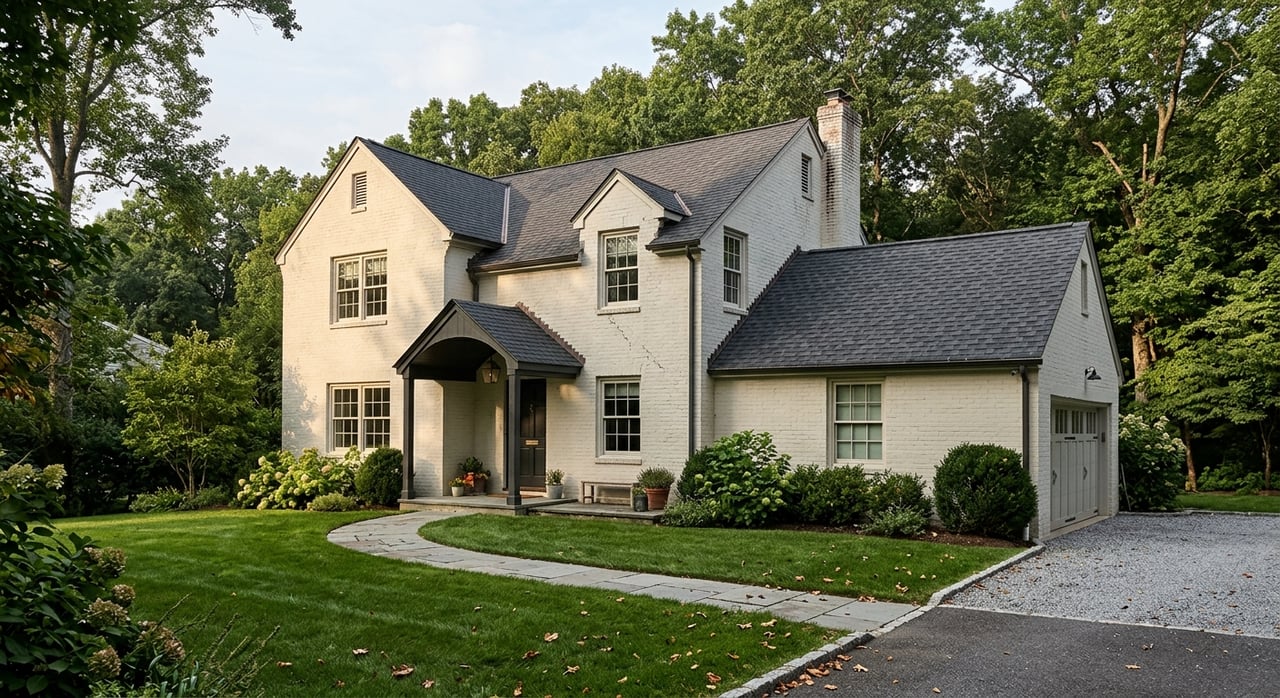
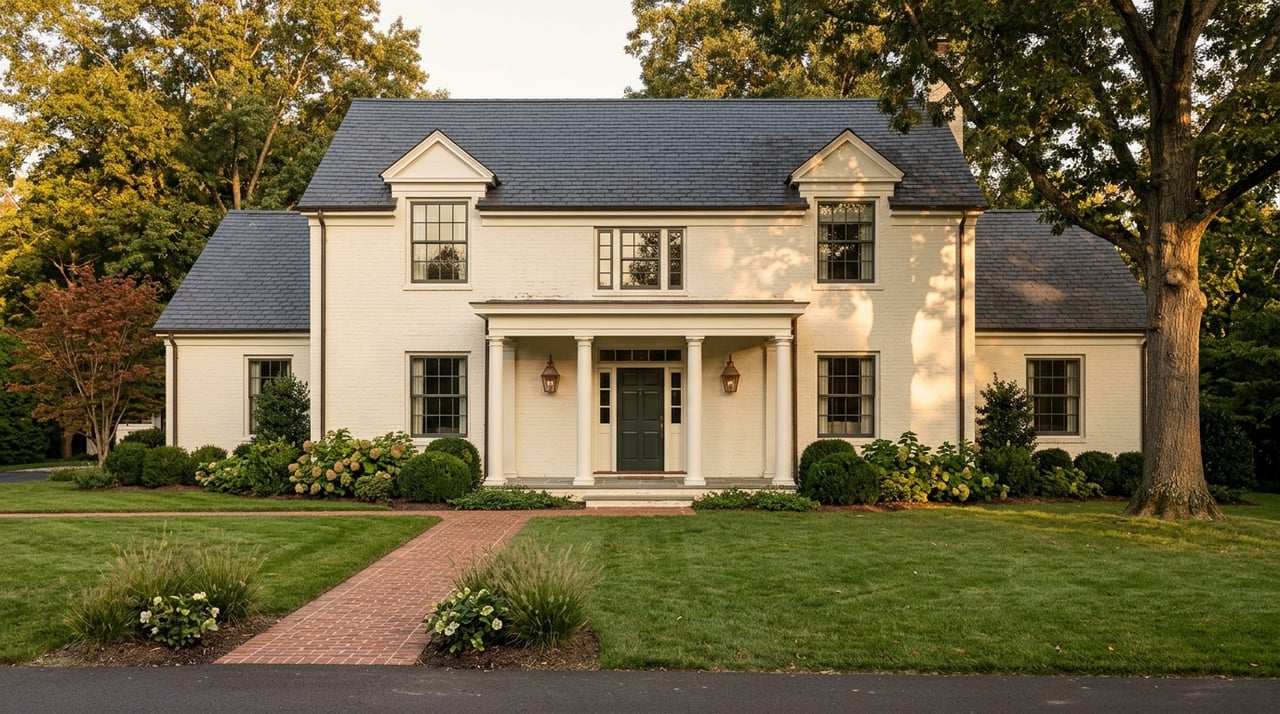
Orange County can be a strong fit if you want a home that feels more grounded in land, space, and scenery. The housing mix, lower density, and road access make it especially appealing for buyers who prefer detached homes and a quieter setting over a more built-up suburban environment.
It may also work well if you want practical access to Charlottesville, occasional connections to the DC corridor, and enough local services to handle daily life without feeling disconnected. Based on the housing, transportation, and amenities data, Orange County stands out as a place where you can pursue countryside character without losing sight of regional access.
What to Consider Before You Move
Before you make a move, think carefully about your daily routine. If you need frequent public transit or want everything within a few minutes, Orange County may feel more spread out than you prefer.
If, however, you value room to breathe, a higher share of detached homes, and a setting that blends small-town convenience with rural character, Orange County deserves a serious look. The best way to evaluate it is to match the area’s strengths to how you actually live, work, and travel.
If you are thinking about buying or selling in Orange County or anywhere nearby, Stephanie Yowell offers a hands-on, relationship-first approach with clear guidance every step of the way.
FAQs
What is the overall lifestyle like in Orange County, Virginia?
- Orange County offers a lower-density, rural setting with small-town character, scenic surroundings, and everyday essentials supported by local shopping, libraries, and nearby regional services.
What types of homes are most common in Orange County, Virginia?
- Single-family detached homes are the most common housing type in Orange County, making it a strong option if you want more space, privacy, or a traditional residential setting.
How far is Orange County, Virginia from Charlottesville and Washington, DC?
- Local sources place Orange County roughly 20 to 25 miles from Charlottesville and about 70 to 85 miles from Washington, DC, depending on the starting point and destination.
Is Orange County, Virginia a good option for commuters?
- Orange County can work for commuters who are comfortable with a car-first lifestyle, with access to major routes and nearby interstate connections, but local transit is limited.
What everyday amenities are available in Orange County, Virginia?
- Residents have access to grocery and retail options in and around the Town of Orange, public library branches, local transit service, and health care connections in Orange and nearby cities.
Are there public schools in Orange County, Virginia?
- Yes. Orange County Public Schools serves the community with five elementary schools, two middle schools, and Orange County High School.