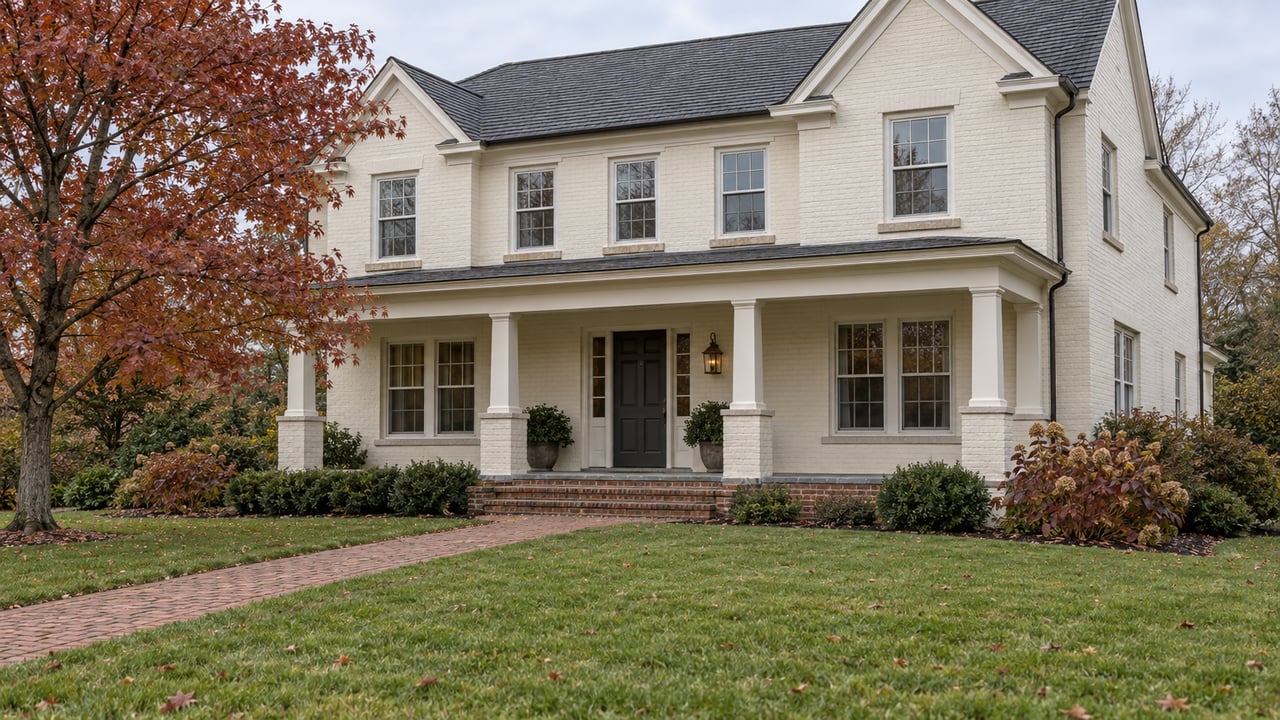
Buying your first home in Orange County can feel exciting and a little overwhelming at the same time. You may be wondering how much house you can afford, whether a property has public utilities or a private well and septic system, and what help may be available for your down payment. The good news is that with the right local guidance and a clear plan, you can move forward with confidence. Let’s dive in.
Why Orange County Appeals to First-Time Buyers
Orange County offers a mix of small-town living, rural properties, and owner-occupied neighborhoods that appeal to many first-time buyers. According to the Census Bureau, the county has an estimated 40,083 residents, 17,107 housing units, and a 78.7% owner-occupied housing rate.
That owner-occupied share matters because it reflects a market where many people put down roots. It also means first-time buyers may find a range of options, from resale homes to newer construction. In 2024, the county recorded 412 building permits, which points to ongoing housing activity beyond existing homes on the market.
Start With Your Budget
Before you tour homes, it helps to understand what ownership may look like month to month in Orange County. The Census Bureau reports a median owner value of $364,200 and a median monthly owner cost with a mortgage of $1,754.
Those figures are useful benchmarks, but your budget should be personal to you. Median household income in Orange County was $94,008, and the average commute time was 37 minutes. If you expect commuting costs, utility costs, or maintenance on a rural property, those should be part of your planning from the start.
What to include in your monthly estimate
When you build your target payment, look beyond principal and interest. A realistic estimate should include:
- Property taxes
- Homeowners insurance
- Possible utility differences between public service and private systems
- Maintenance and repair savings
- Your expected commute and transportation costs
Orange County real estate taxes are assessed at fair market value as of January 1 and billed semiannually, with due dates of June 5 and December 5. The county also notes that the Board of Supervisors sets the tax rate each year, so taxes should be part of your monthly math even before that first bill arrives.
Get Preapproved Early
For most first-time buyers, preapproval is one of the smartest first steps. Virginia Housing’s homebuying process starts with learning the process and choosing a lender, because your lender helps determine affordability and explain preapproval.
Preapproval can give you a clearer price range and help you shop with more confidence. It also helps you avoid falling in love with a home that does not fit your true monthly comfort level.
Understand First-Time Buyer Help in Virginia
If you are buying your first home, you may be eligible for assistance through Virginia Housing. Virginia Housing defines a first-time homebuyer as someone who has not had an ownership interest in and occupied a primary residence in the last 3 years.
That definition is important because it is often the starting point for program eligibility. Virginia Housing also notes that its bond programs generally require first-time-buyer status unless the home is in a targeted area, and Orange County is listed as having no targeted areas.
Virginia Housing options to know
Virginia Housing offers free homebuyer education classes, which can be especially helpful if this is your first purchase. It also offers assistance programs for qualified borrowers.
Here are two options mentioned in the current Virginia Housing guidance:
- Down Payment Assistance Grant: a true grant that does not need to be repaid and is available only with eligible Virginia Housing loans. It is for down payment, not closing costs.
- Closing Cost Assistance Grant: available for qualified first-time buyers using RHS or VA bond loans.
Program rules can include income limits and sales-price or loan limits. Because of that, it is helpful to ask your lender early whether you may qualify.
Know the Utility Setup Before You Offer
One of the biggest differences between buying in Orange County and buying in a more uniform suburban market is utility setup. Not every home uses the same systems, and that can affect your due diligence, timeline, and comfort level.
Orange County says that if a home uses private well and septic, the buyer or owner must apply through the local Virginia Department of Health office. If the home uses public water and sewer, you should contact the utility provider for connections.
Why this matters for first-time buyers
A home with private systems is not automatically a problem. It simply means you need to verify the details early and make sure you understand how those systems affect inspection and permitting.
For properties not served by public sewer or public water, the Virginia Department of Health says well and septic permitting is required before the county can issue a building permit. That is especially relevant if you are considering new construction, a newer home, or land with plans to build.
Questions to ask about utilities
As you tour homes, consider asking:
- Does the property use public water and sewer, or private well and septic?
- Are there records available for septic or well permits?
- If the home is newer, were the needed approvals in place?
- If the home is on land, are there any added utility considerations for future improvements?
These are the kinds of details that can shape your inspection strategy and help you avoid surprises later.
Compare Resale Homes and New Construction
Orange County gives first-time buyers a chance to consider both resale and newer homes. With 412 building permits recorded in 2024, new construction is part of the local housing picture.
A resale home may offer mature landscaping, established locations, or a lower price point depending on the property. A newly built home may offer modern layouts and newer systems, but it can also require close attention to permits, utility setup, and build timelines.
New-construction checks to remember
Orange County says a new house generally needs:
- Zoning approval
- Erosion and sediment control approval
- A building permit
- A health permit as part of the permit packet when well and septic are involved
For a first-time buyer, this means it is wise to ask questions early rather than assume every step has already been reviewed. A careful plan can make a big difference when comparing one property to another.
Rural and Acreage Properties Need Extra Review
Many buyers are drawn to Orange County for the chance to have more space. If you are considering acreage, there is one more layer to understand before you buy.
Orange County’s real estate tax page explains that land-use assessment may apply to qualifying tracts of five acres or more of open farmable land. Forest use applies to tracts of at least 20 acres devoted to tree growth. In both cases, the county describes these as tax deferrals rather than full abatements, and the land is assessed on use rather than fair market value.
Why acreage questions matter
If a property includes land, ask whether it is currently in a land-use program and how that may affect taxes. This does not mean every acreage property qualifies, but it does mean the tax setup may differ from a typical smaller residential lot.
For first-time buyers, understanding that structure up front can make your budgeting more accurate. It also helps you ask smarter questions during your due diligence period.
A Practical Homebuying Plan for Orange County
A clear process can make your first purchase feel much more manageable. In Orange County, the most practical path is to combine Virginia Housing’s step-by-step framework with local property checks that matter here.
A strong workflow often looks like this:
- Get preapproved.
- Set a monthly budget you can live with comfortably.
- Explore both in-town and rural property options.
- Verify utility setup early.
- Compare resale homes and new construction carefully.
- Make an offer with room for appraisal, inspection, and closing timing.
- Finalize your mortgage application and prepare for closing tasks.
Virginia Housing also notes that buyers may need to shop for homeowners insurance, choose a closing agent, and schedule utilities later in the process. When you know those steps are coming, the process feels less stressful and more predictable.
How the Right Agent Helps
Your first home purchase comes with a lot of moving parts, especially in a market where homes may vary widely by lot size, utility setup, and property type. That is where local guidance can make the process feel clearer.
A hands-on agent can help you connect the dots between budget, property condition, inspections, and timing. If you are comparing a townhome, a single-family home, a manufactured home, or a rural property with land, having someone who understands the local landscape can help you make decisions with confidence.
Stephanie Yowell’s approach is built around clear communication, responsiveness, thoughtful strategy, and steady support from start to finish. For first-time buyers in Orange County, that can mean a calmer process and a clearer path forward.
If you are thinking about buying your first home in Orange County, a step-by-step plan can make all the difference. When you are ready to talk through your goals, compare options, and build a smart strategy for your next move, connect with Stephanie Yowell.
FAQs
What counts as a first-time homebuyer in Virginia?
- Virginia Housing defines a first-time homebuyer as someone who has not had an ownership interest in and occupied a primary residence in the last 3 years.
What first-time buyer assistance is available for Orange County homebuyers?
- Qualified buyers may be able to use Virginia Housing programs such as its Down Payment Assistance Grant or Closing Cost Assistance Grant, depending on loan type and program requirements.
Do Orange County homes always have public water and sewer?
- No. Some homes use public water and sewer, while others use private well and septic systems, so you should verify utility setup early in the process.
What should first-time buyers know about Orange County property taxes?
- Orange County real estate taxes are assessed at fair market value as of January 1 and billed semiannually, with due dates of June 5 and December 5.
What should first-time buyers ask about Orange County acreage properties?
- Ask whether the land may be part of a land-use assessment or forest-use structure, because qualifying tracts may be assessed on use rather than fair market value as a tax deferral.
Is new construction an option for first-time buyers in Orange County?
- Yes. Orange County recorded 412 building permits in 2024, and buyers considering newer homes should ask about permits, zoning approval, and utility or health permit requirements when well and septic are involved.